
100% free beginner guides
Learn Crypto From Scratch
Simple, practical guides to help beginners understand crypto, choose an exchange, buy their first cryptocurrency, and keep their assets secure.
Create your account
Open a Binance or OKX account — your referral code is applied automatically through the link.
Start here
New to crypto? Follow these three steps in order.
Crypto basics
Build a solid foundation before anything else.
Crypto Basics
What is cryptocurrency and how does it actually work?
Learn more →Blockchain
How a blockchain actually works, in plain English.
Learn more →Bitcoin
How Bitcoin works, what makes it scarce, and why it matters.
Learn more →Ethereum
Smart contracts, gas, and what makes Ethereum different from Bitcoin.
Learn more →Stablecoins
What stablecoins are, how they stay pegged, and the risks.
Learn more →On-Chain Assets
Tokens, NFTs, and what “on-chain” really means.
Learn more →DeFi
Decentralized finance: lending, staking, and liquidity explained simply.
Learn more →Latest articles
Fresh from the MyCryptoStart team.
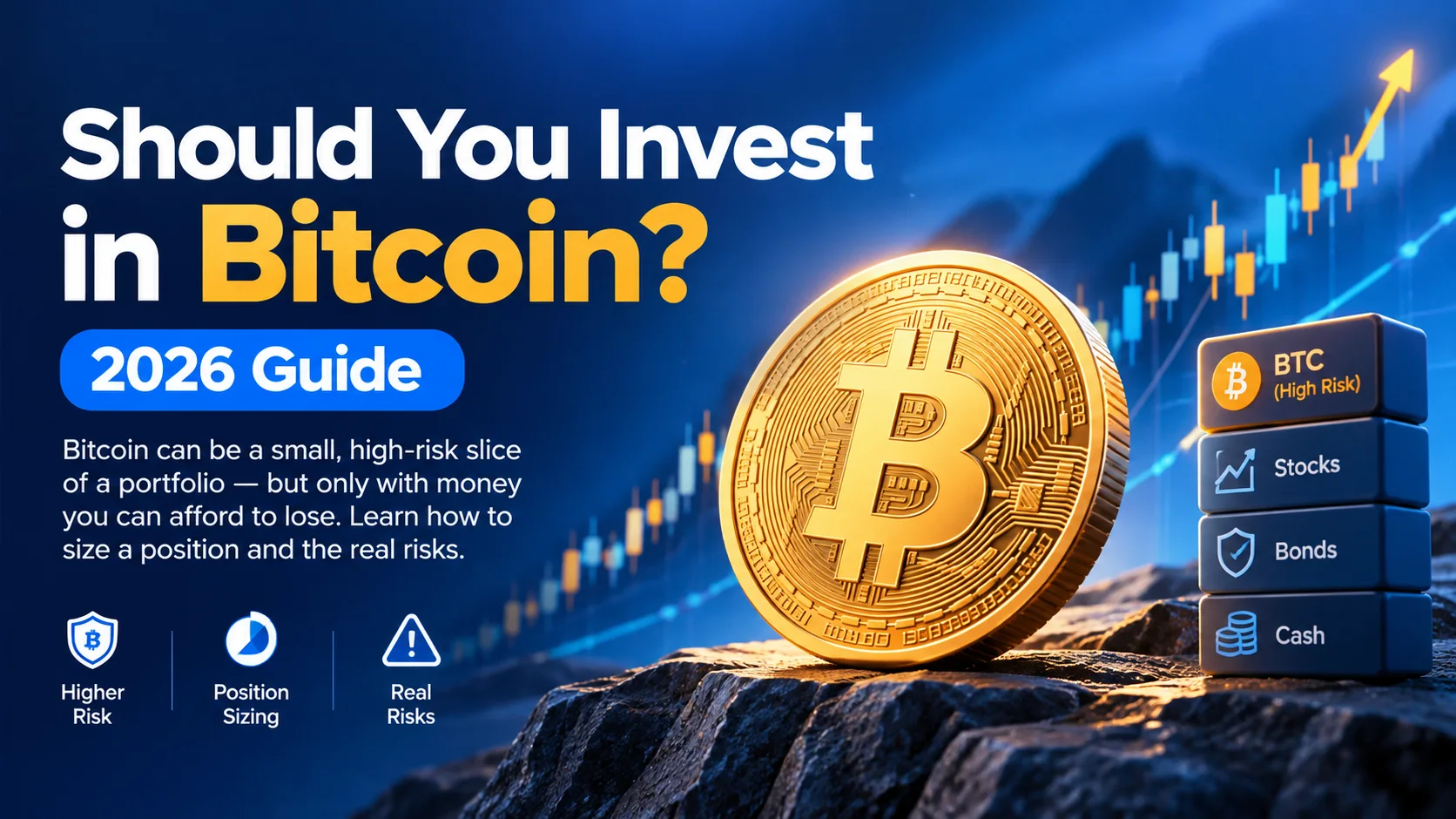
Should You Invest in Bitcoin? (2026 Guide)
Bitcoin can be a small, high-risk slice of a portfolio — but only with money you can afford to lose. Learn how to size a position and the real risks.
Is Binance Safe? How It Protects Your Funds
Is Binance safe in 2026? How SAFU, cold storage, and Proof of Reserves protect your funds — and where regulation and account security still carry risk.
Is OKX Safe? How It Protects Your Funds
Is OKX safe in 2026? Monthly Proof of Reserves, cold storage, and a full EU MiCA licence — plus the 2020 withdrawal freeze and US settlement risks.
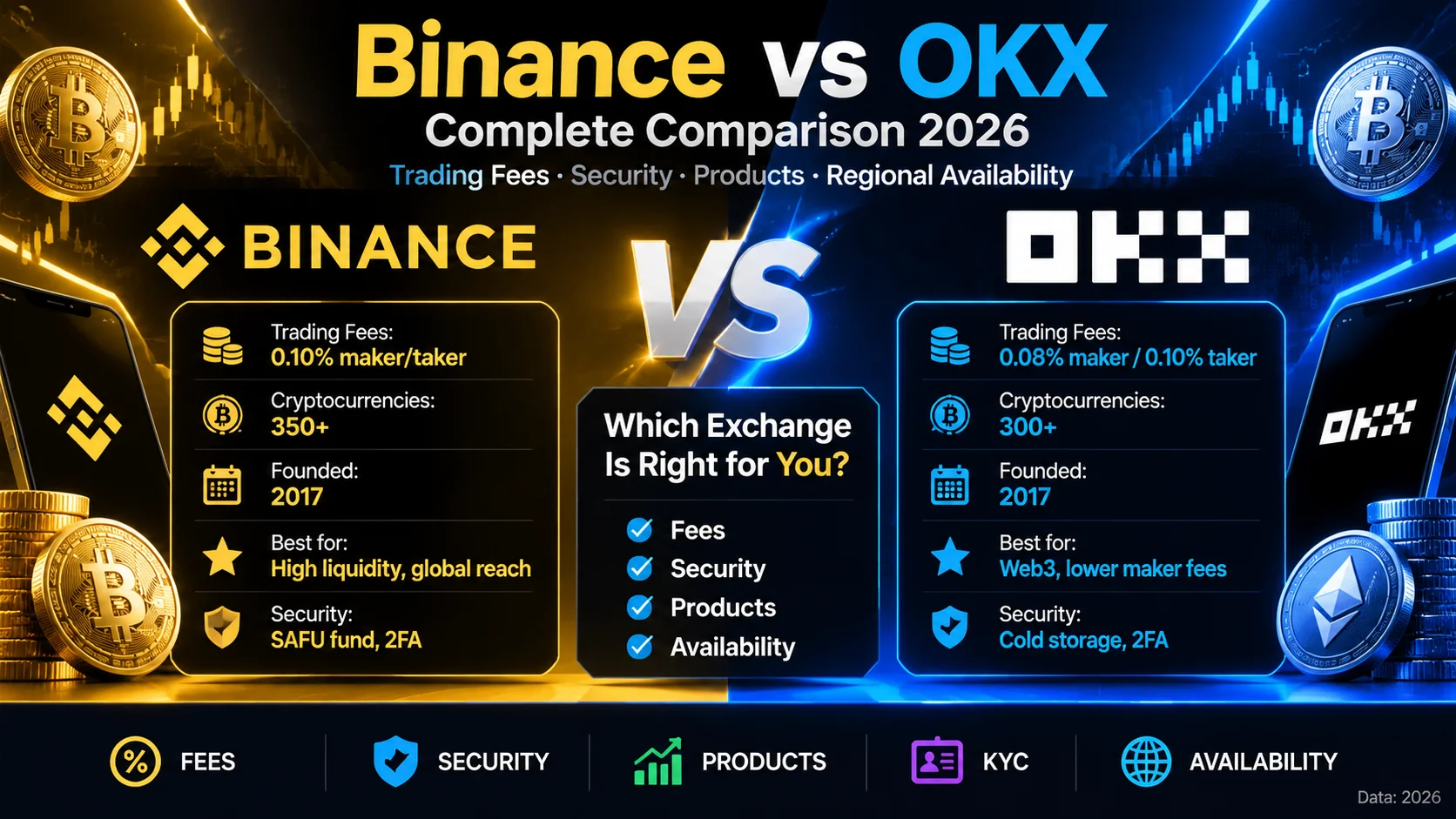
Binance vs OKX: Which Is Right for You?
An honest side-by-side of Binance and OKX — trading fees, availability by region, KYC, security, and products — with a clear rule for choosing.
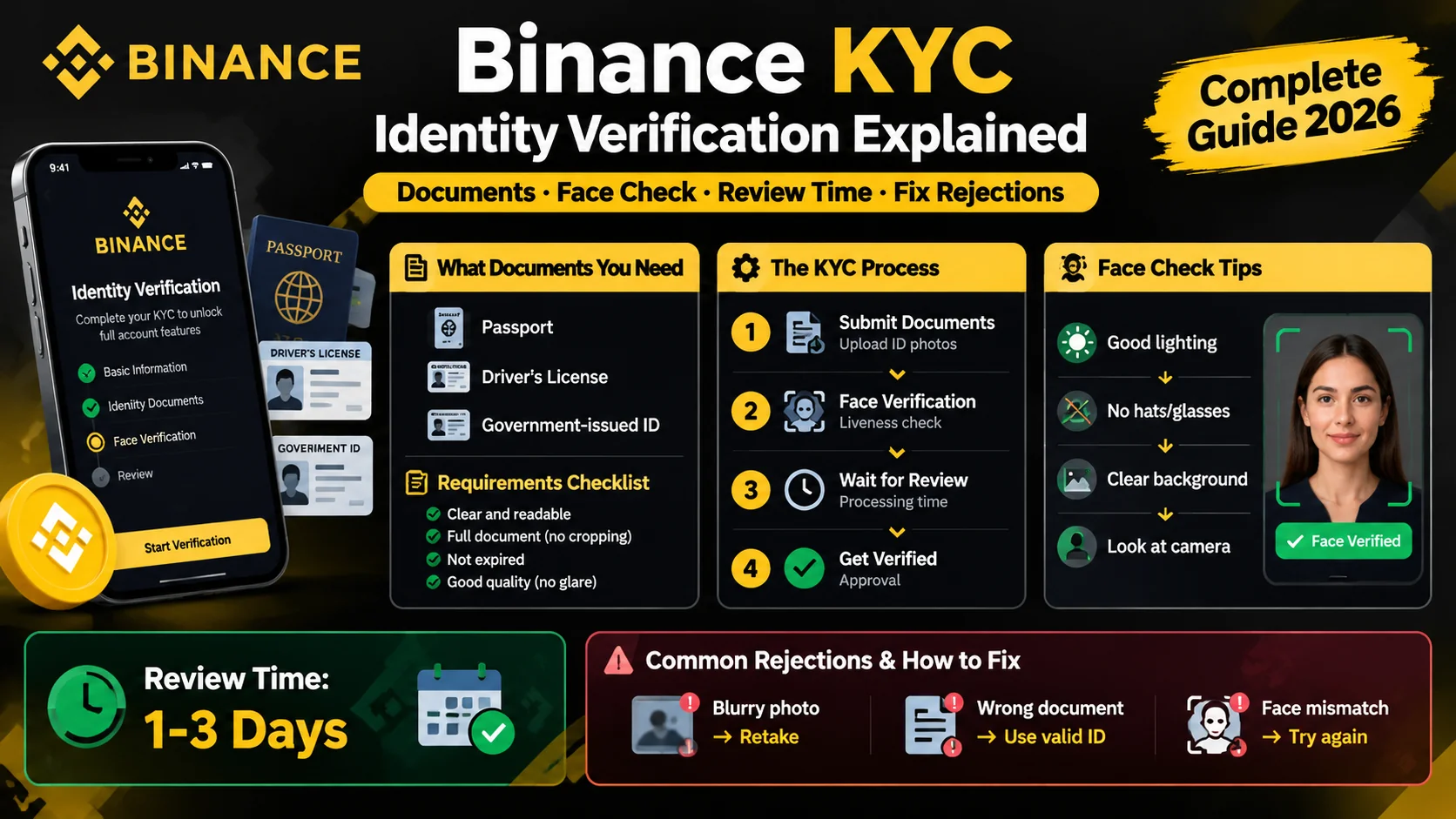
Binance KYC: How Identity Verification Works
Binance requires KYC before you trade. Learn the documents you need, how the face check works, how long review takes, and how to fix rejections.
How Do Crypto Exchanges Work? Explained
How a crypto exchange works under the hood — the order book, maker and taker orders, and why trades settle without touching the blockchain.
Binance P2P: Buy and Sell Crypto Peer-to-Peer
How Binance P2P works — buy and sell crypto directly with other users, with zero fees and an escrow system that holds funds until payment is confirmed.
Hardware Wallets Explained: Cold Storage Guide
What a hardware wallet does, when it's worth buying, how Ledger and Trezor differ, and the setup rules that keep cold storage secure.
OKX Referral Code: How It Works (2026)
What an OKX referral code actually does, how its task-based program differs from Binance's rebate, and how to apply a code when you sign up.
Crypto dictionary
Every term defined in plain English — 20 entries and counting.
Seed Phrase
A seed phrase (recovery phrase) is a list of 12–24 ordinary words generated when you create a self-custody wallet. It is the master key to every account in that wallet: anyone who reads it can spend your crypto from anywhere, and no password reset exists. Store it offline, on paper or metal, never as a photo, file, or cloud note — and never share it with anyone, ever.
Stablecoin
A stablecoin is a cryptocurrency built to keep a constant value — almost always one US dollar. Traders use it to park money without leaving crypto, send dollars worldwide in minutes, and buy other coins. The three designs are fiat-backed (reserved dollars), crypto-backed (over-collateralized loans), and algorithmic. Stablecoins avoid market volatility but carry their own risk: the peg can break.
Market Cap
Market cap (capitalization) is a cryptocurrency's current price multiplied by the number of coins in circulation. It estimates the total value of all coins together, which is why a $2 coin isn't 'cheaper' than a $2,000 coin — price alone tells you nothing about size. Market cap is the standard way to rank, compare, and size crypto projects.
Two-Factor Authentication (2FA)
Two-factor authentication (2FA) requires a second proof of identity when you log in — usually a rotating 6-digit code — so a stolen password alone can't open your account. For crypto, the app-based code (authenticator app or passkey) is the standard; SMS codes are weaker because phone numbers can be hijacked through SIM-swap attacks. Enable 2FA on every exchange account before depositing anything.
Gas Fee
A gas fee is the price you pay to have a transaction processed and recorded on a blockchain — it compensates the validators who run the network. On Ethereum, gas is paid in ETH and its price moves with network congestion, from cents in quiet hours to tens of dollars at peak mania. Other chains price fees differently and usually far cheaper. Skip the fee and your transaction simply never confirms.
Phishing
Phishing is a scam where attackers impersonate a service you trust — an exchange, wallet, or support team — to trick you into handing over access. In crypto it takes three main forms: fake login pages that capture your credentials, fake support agents who ask for your seed phrase, and malicious websites that request a wallet approval signature that drains your funds. Crypto phishing is irreversible: stolen funds are usually gone within minutes.
Binance & OKX guides
Step-by-step tutorials for the two most popular exchanges.
Wallet & security
Protect your assets. These are the skills that matter most.
Hot vs Cold Wallet
When to use a hot wallet and when you need cold storage.
Learn more →MetaMask
Setting up and using the most popular web wallet.
Learn more →Hardware Wallets
Cold storage explained: what hardware wallets are and how to use them.
Learn more →Wallet Security
Best practices for keeping your wallet safe.
Learn more →Private Keys
What a private key is and why it must stay secret.
Learn more →Seed Phrases
What a seed phrase is and how to protect it.
Learn more →Common Crypto Scams
The most common scams and how to avoid them.
Learn more →Frequently asked questions
Quick answers to the questions beginners ask most.
Do I need any experience to start?
None at all. Our guides assume you are starting from zero and explain every term in plain English.
How do I buy my first cryptocurrency?
Open a Binance or OKX account, verify your identity, deposit money, then place a buy order. Our exchange guides walk you through every step, with screenshots.
Is cryptocurrency safe?
The technology is secure, but prices are volatile and scams are common. We teach the security basics — from strong passwords to spotting phishing — so you can avoid the most common traps.
Do I need a wallet?
Not to get started. Small amounts can sit safely on a trusted exchange. Once your holdings grow, move them to a wallet you control — we explain how in our wallet guides.
Is this financial advice?
No. MyCryptoStart publishes educational content only. We do not tell you what to buy, promise returns, or provide investment advice.
Still have a question? Join our Telegram community